
Delivery update: Due to warehouse relocation, delays may occur. Read more
- Dine-in and take-away solutions experts
- Award winning innovations & designs
- Driven by sustainability
- Customer care: +43 662 835 496 0
Napkins, table coverings, LED lamps and candles for autumn
- Homepage
- Alternatives to plastic packaging
Alternatives to plastic packaging
We present five organic materials: environmentally friendly solutions for takeaway, delivery, and grab-and-go. We offer restaurants, retailers, and businesses a way to avoid plastic waste in everyday life and reduce their carbon footprint. That is why our plastic alternatives are carbon neutral—throughout their entire life cycle.
The end of plastic packaging
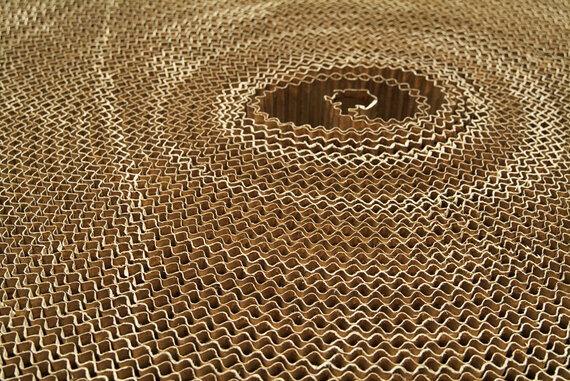
Cardboard
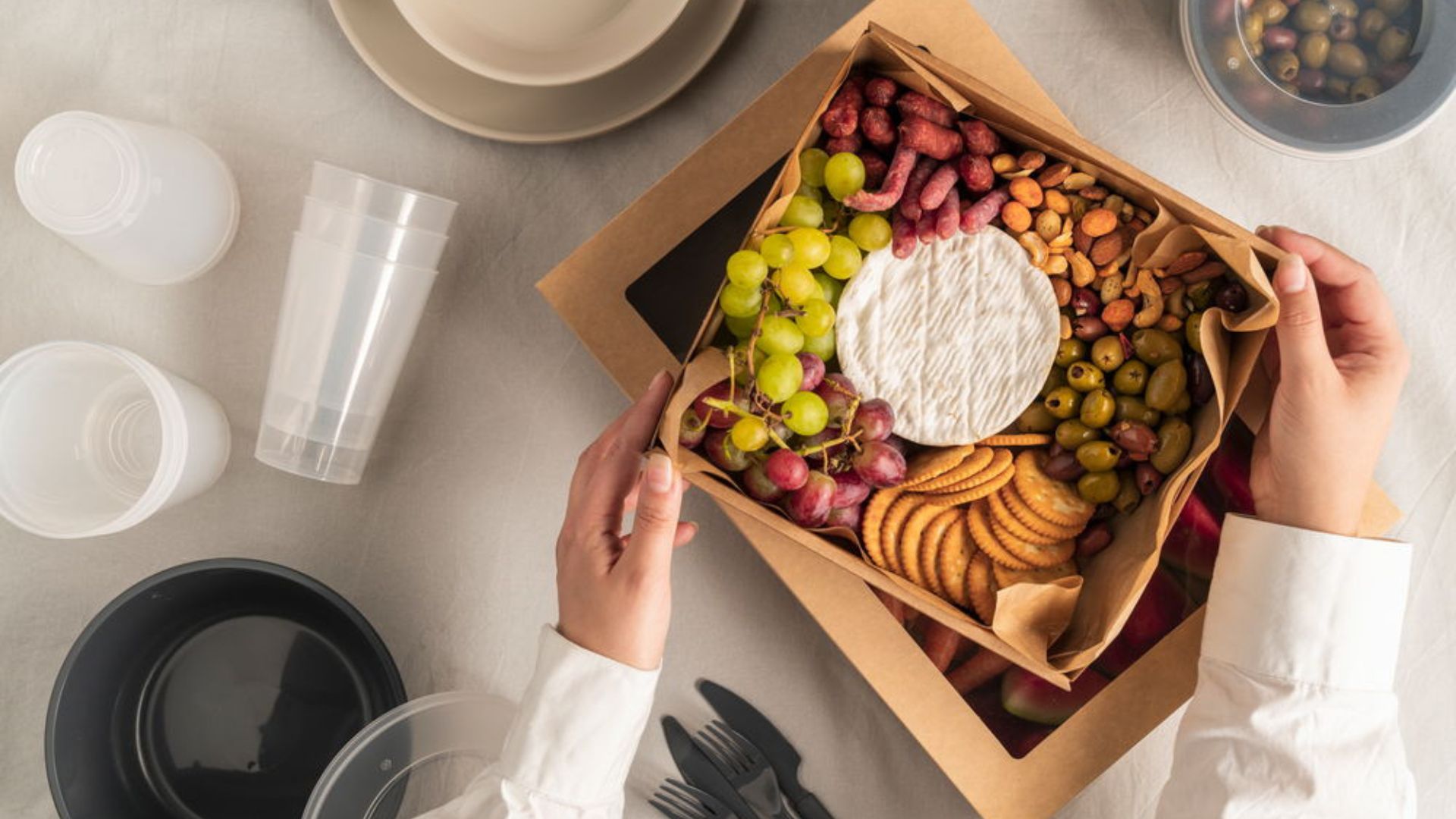
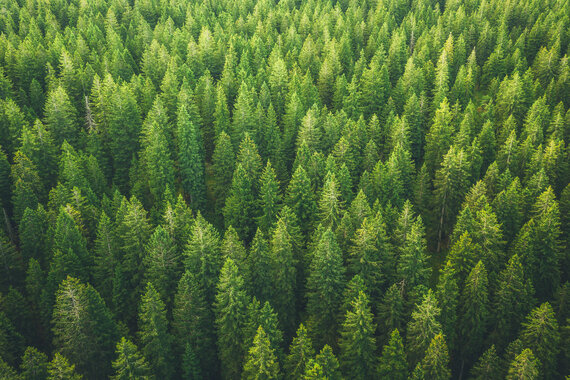
Renewable, versatile and eminently recyclable: It is not for nothing that cardboard is becoming increasingly popular as a green plastic alternative. As a material for boxes, bowls, cups and plates, cardboard has several advantages to offer. As a domestic and renewable raw material, cardboard significantly reduces your CO2 emissions. In addition, we at BioPak take special care to use natural raw materials from controlled sources: The FSC® certificate on our cartonboard products guarantees you that the raw materials come from forests managed in an environmentally, socially and economically responsible way - thus ruling out overexploitation and exploitation when purchasing.
Where take-away and catering used to rely on aluminium and plastic containers, sustainable boxes and trays made of cardboard are the obvious choice in today's everyday gastronomy. But the cost factor is also interesting for take-away providers; after all, recycled cardboard is relatively inexpensive to purchase.
Bagasse
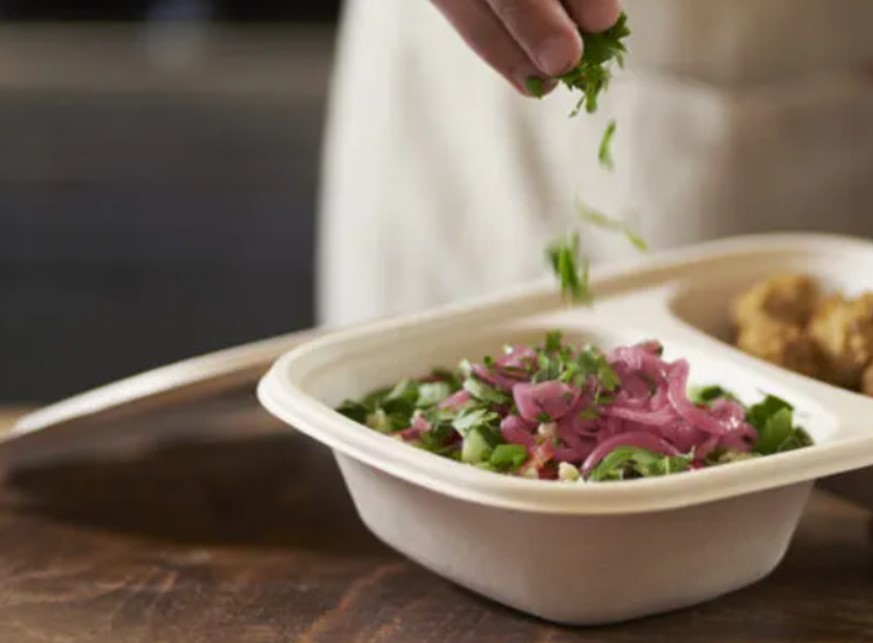
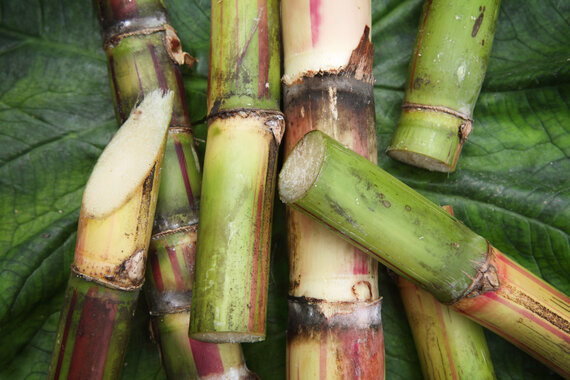
Our next alternative to plastic containers is bagasse. Bagasse is a waste product from sugar production: the crushed plant fibers remain after sugar cane has been pressed and can be processed into sturdy bowls, for example. This makes bagasse a good example of upcycling because, unlike plastic and other materials, the substance does not have to be manufactured specifically. This has a particularly positive effect on the carbon footprint. Just like the raw material for recycled cardboard, paperboard, and paper, sugar cane and sugar millet are renewable resources—a characteristic that plastic cannot boast.
Another advantage is that bagasse is plastic-free and up to 100 percent biodegradable. Many products made from this material can therefore be easily broken down in home compost or are also industrially compostable. Bagasse is becoming increasingly popular as a sustainable material. In the future, waste disposal companies will likely develop even more efficient composting processes.
Grass paper
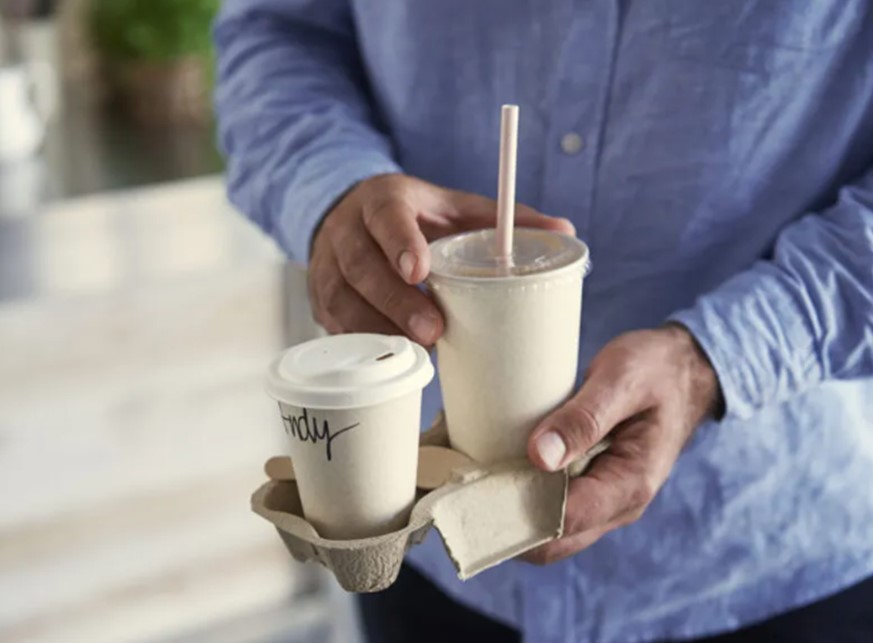
In addition to the petroleum required, the high water consumption in plastic production also has a negative impact on the environment. In this respect, grass paper comes into question as a particularly efficient alternative to plastic. The production of one tonne of grass fibre pulp requires only two litres of drinking water. With little pollution, grass paper bags and trays can simply be disposed of in the waste paper.
In addition, the locally harvested grass comes from compensatory areas that do not compete with the enormous land requirements of animal feed production. Similar to FSC®-certified wood, there is no need to worry about forest clearance, land grabbing or other negative consequences when producing grass paper. Moreover, in the course of the purely mechanical production process, the grass fibre does not have to be chemically processed.
Wood
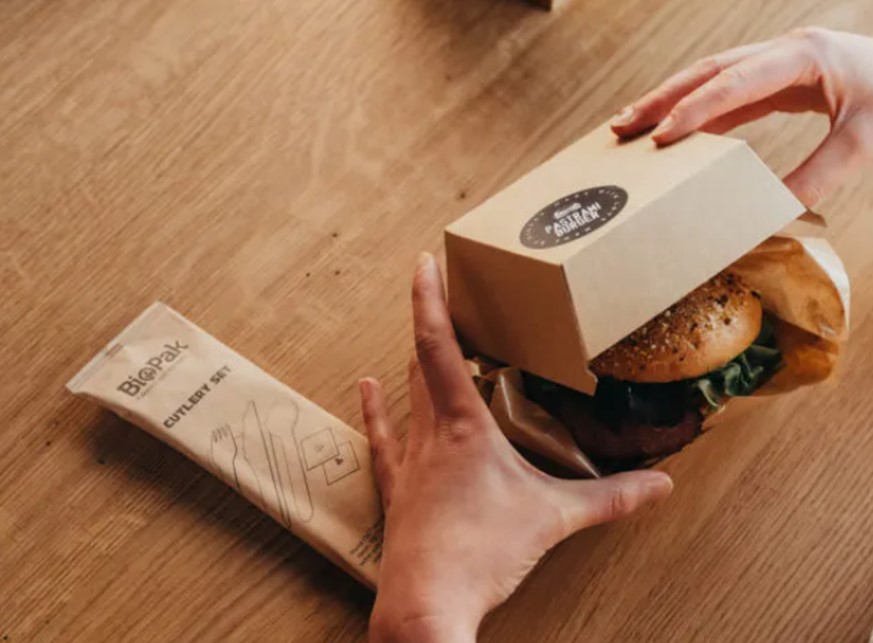
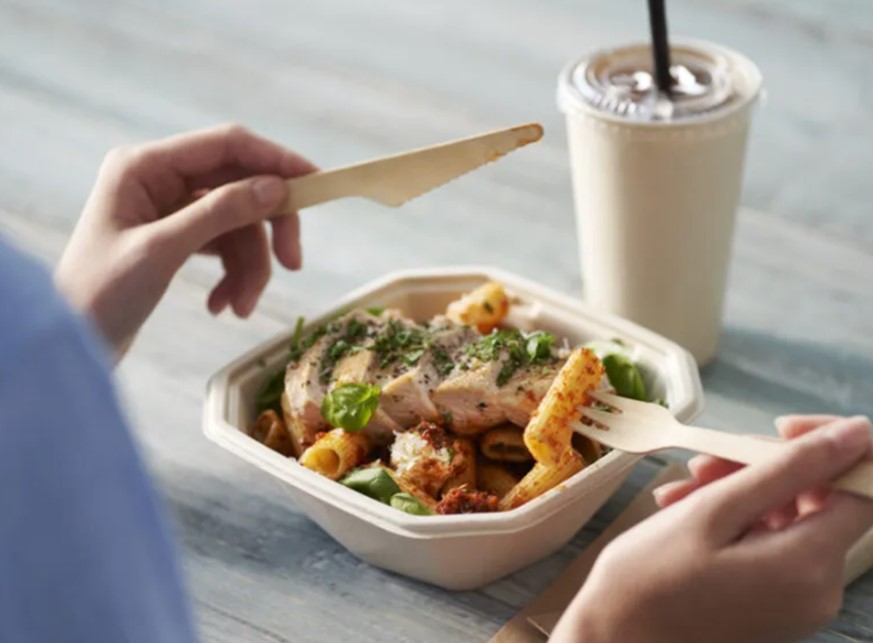
If you offer ready-to-eat dishes, you can provide your guests with plastic-free cutlery as well as suitable packaging. For environmentally friendly disposable knives, forks and spoons, birch wood is a domestic, renewable raw material. The material is stable and neutral in taste and smell. At the same time, the wood look remains recognisable and customers notice your ecological commitment.
Wooden cutlery is coated with the food-safe wax of the carnauba palm, which ensures a pleasant mouthfeel when eating. The wax is extracted from the leaves of the palm tree. It is odourless and tasteless and also absolutely harmless to the body. Whether with or without a wax layer: wooden cutlery can be disposed of in the residual waste and burns absolutely free of pollutants.
rPet
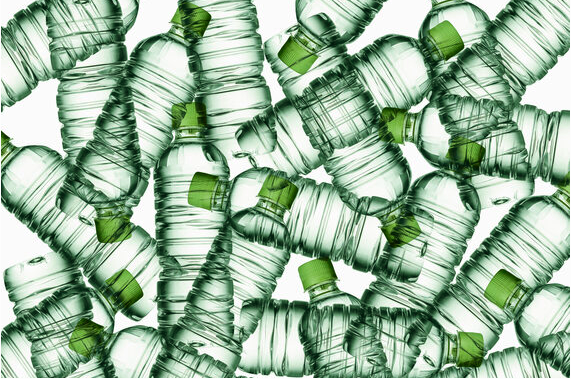
We know PET (polyethylene terephthalate) primarily as the classic material for plastic bottles (PET bottles). If the once-used plastic is reprocessed, we speak of rPET (recycled PET). Instead of simply ending up in the rubbish, the material is cleaned and shredded. With modern recycling processes, new plastic bottles and other containers can be made from 100 per cent recycled plastic. In this way, the plastic that was produced at great expense is not lost.
For the environment, the use of rPET is an enormous relief. Because compared to the production of new plastic containers, rPET production requires significantly less petroleum. Overall, the CO2 balance of rPET is up to 70 percent lower than that of new PET. After use, the recycled material can be returned to the normal recycling cycle.
Sugarcane fibre (bagasse)1/6
Compostable sugarcane fibre is a great example of upcycling. It is made with surplus natural material from sugar production: sugar cane stems.
- Readily biodegrades under controlled composting conditions
- Once composted it turns to soil in just a few weeks
- Suitable for industrial composting
- May be sorted with food waste depending on local regulations
- Available certification: EN13432
After use: you can sort with waste for industrial composting or cardboard for recycling. Local waste regulations need to be followed. Check with your local waste handlers.
Cardboard/Paper2/6
Most of our Cardboard/Paper products are made from FSC™-certified fibre. They are often accepted for either composting, or recycling as paper pulp if not contaminated by food.
Local waste regulations need to be followed. Check with your local waste handlers.
Wood/Bamboo3/6
A renewable resource. We use FSC™-certified Birchwood and Bamboo for our products. These materials are a natural choice for products such as cutlery, where strength and durability is important.
Did you know, Bamboo absorbs 5 times the amount of CO2 and produces 35% more oxygen than other plants in the same space!
Local waste regulations need to be followed. Check with your local waste handlers.
Recycled PET (RPET)4/6
RPET is made from recycled plastic bottles – which otherwise could end up in landfill sites or burnt as fuel.
- Typically, RPET has a 50% lower carbon footprint than virgin plastic
- BioPak RPET products contain up to 100% recycled PET
- The RPET we use is regularly tested to ensure it meets food safety rules
- Supply chain is fully documented
- After use, RPET products can be recycled as standard plastic
Local waste regulations need to be followed. Check with your local waste handlers.
PLA/CPLA5/6
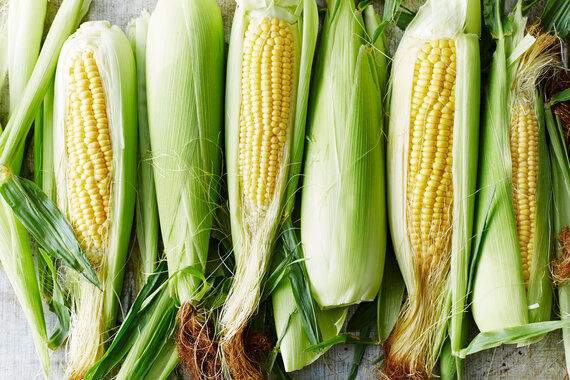
Compostable plant-based bioplastic, PLA and CPLA are made from otherwise surplus renewable material: fermentable corn starch.
- Bioplastics like PLA and CPLA offer society a way to reduce dependence on fossil fuels
- CPLA is chemically identical to PLA. The difference is that it is crystalized, which makes it stronger and able to withstand higher temperatures
- Reflecting this, CPLA can withstand temperatures up to +70oC and PLA up to +50oC
- After use, PLA and CPLA products can be sorted with food waste for industrial composting, depending on local regulations, or recycled as bioplastic
Local waste regulations need to be followed. Check with your local waste handlers.
Grass paper6/6
Grass paper is recyclable and extremely resource-efficient. Grass is naturally abundant, available globally and harvested locally, and does not compete with resources used for animal feed.
- Recyclable, compostable, approved for skin tolerance
- Energy efficient to produce: it only requires 2 litres of water to produce one ton of grass fibre raw material
- Production of grass paper does not require chemical treatment
- After use, grass paper can be sorted with paper for recycling
Local waste regulations need to be followed. Check with your local waste handlers.
Plastic-free alternatives
Going plastic-free is easier than many people think: Thanks to modern alternatives to plastic products - made from renewable and recycled materials - out-of-home offers can already manage without plastic. In addition, ingenuity is also rewarded: there are some innovative possibilities for companies that go beyond mere plastic alternatives and improve their environmental balance in everyday life. Some restaurants even have their own vegetable gardens or self-managed composting cycles - cool ideas that go down well with customers. For the sustainable extra mile, regional and seasonal dishes are also a great option.
But what alternatives are there to plastic? What are the advantages and disadvantages of other materials? And how can they be used in the business? In this guide, we present five current plastic alternatives that make the switch to more sustainability a success.
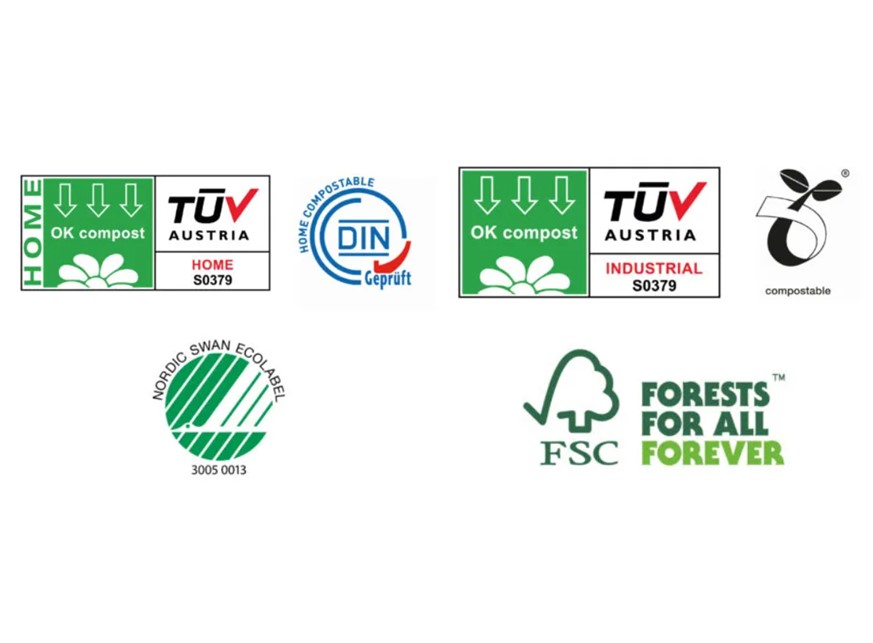
Our environmental certificates
When it comes to sustainable packaging, you can rely on our products. Certificates such as OK Compost Industrial, Seedling, OK Compost Home or the Home Compostable Label assure the compostability of our products - whether in the industrial plant or on the compost at home.
The FSC® certificate on our products guarantees the ecologically and socially responsible origin of our raw materials. Many products also meet the strict ecological requirements of the Nordic Swan Ecolabel.
Not convinced yet? You can find out more about the Duni philosophy, our materials and products in the sustainability section of our website.
We offset CO2 emissions by purchasing carbon credits to finance accredited environmental projects. In this way, we support Jiangxi Forest Conservation in China and the Rimba Raya Biodiversity Reserve in Indonesia.
Do you have any questions?
To arrange a personal consultation appointment, simply send us a short appointment request.
Select your country
- België
- Danmark
- Deutschland
- España
- France
- Global
- Italia
- Nederland
- Norge
- Polska
- Schweiz
- Suomi
- Sverige
- United Kingdom
- United States
- Österreich
- Česká republika
Select language
Online shop