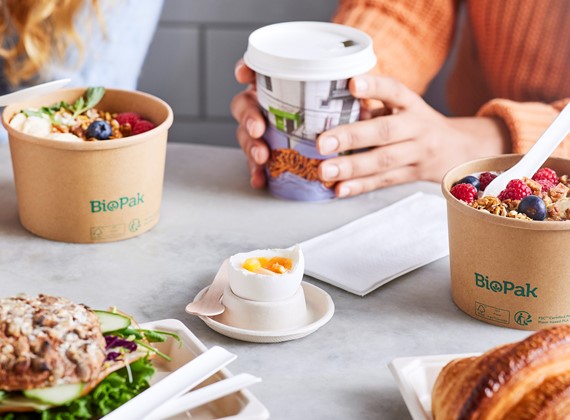
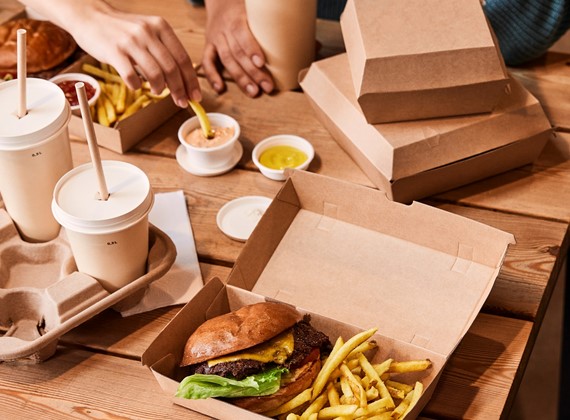
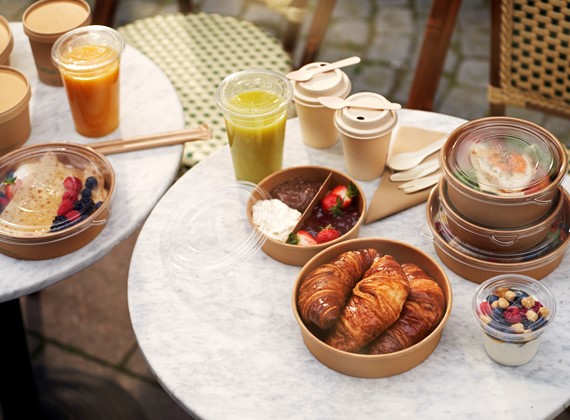
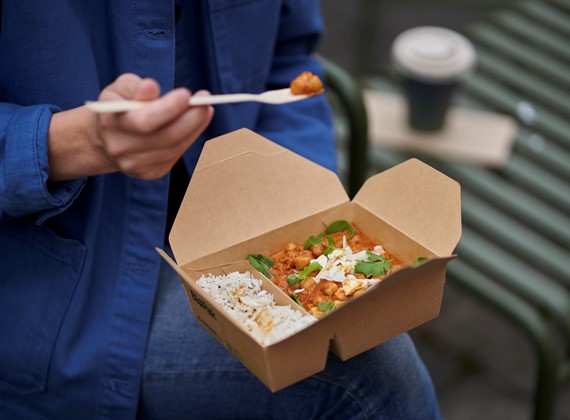
- Environmentally friendly
- Greaseproof
- Versatility
- Reduction of plastic waste
- Positive image promotion
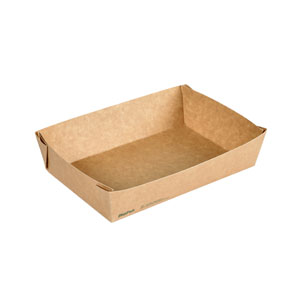
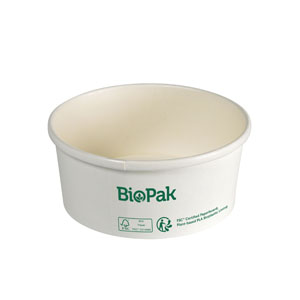
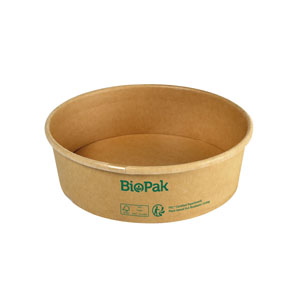
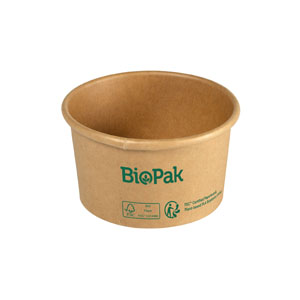
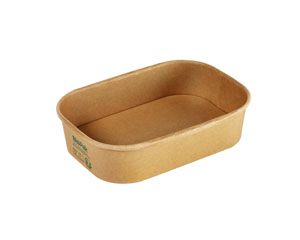
What materials are most sustainable for food trays?
Paperboard trays are made from recycled material or virgin fiberboard. Recycled material is an ecologically beneficial approach, as it promotes the use of existing resources and consumes less energy and water than the production of virgin fiberboard. Cardboard trays score high in that they are biodegradable and can be easily recycled.
In addition to paperboard trays, there are several alternatives to plastic packagaging other materials used for food trays. It should be noted that the sustainability of a material depends not only on its source, but also on factors such as manufacturing processes, transportation requirements and disposal options. Taking a holistic view of a material's environmental impact is critical to making the most sustainable choice.
Easy recycling of paper trays
Another advantage of paper trays is their recyclability. After use, they can simply be placed in the paper trash or waste paper. Recycling paperboard trays reduces waste and saves resources. Using recycled cardboard in the production of paperboard trays can also reduce the need for virgin fiber. Recycled cardboard is obtained from paper products that have already been used, which helps to conserve natural resources. In addition, the production of recycled cartonboard is more energy-efficient and results in lower greenhouse gas emissions compared to the production of virgin fiber cartonboard.